Mastihari · Kos · Greece
Kos island
The birthplace of Hippocrates, the father of medicine.
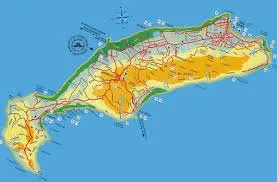
Kos lies in the south-eastern Aegean, south of Kalymnos and north of Nisyros, in the ancient Keramikos Bay (the Gulf of Kos), just 3 miles off the coast of Asia Minor. It is the third largest island of the Dodecanese, and from prehistoric times it was an important station on the sea route from the Black Sea across the Aegean to North Africa.
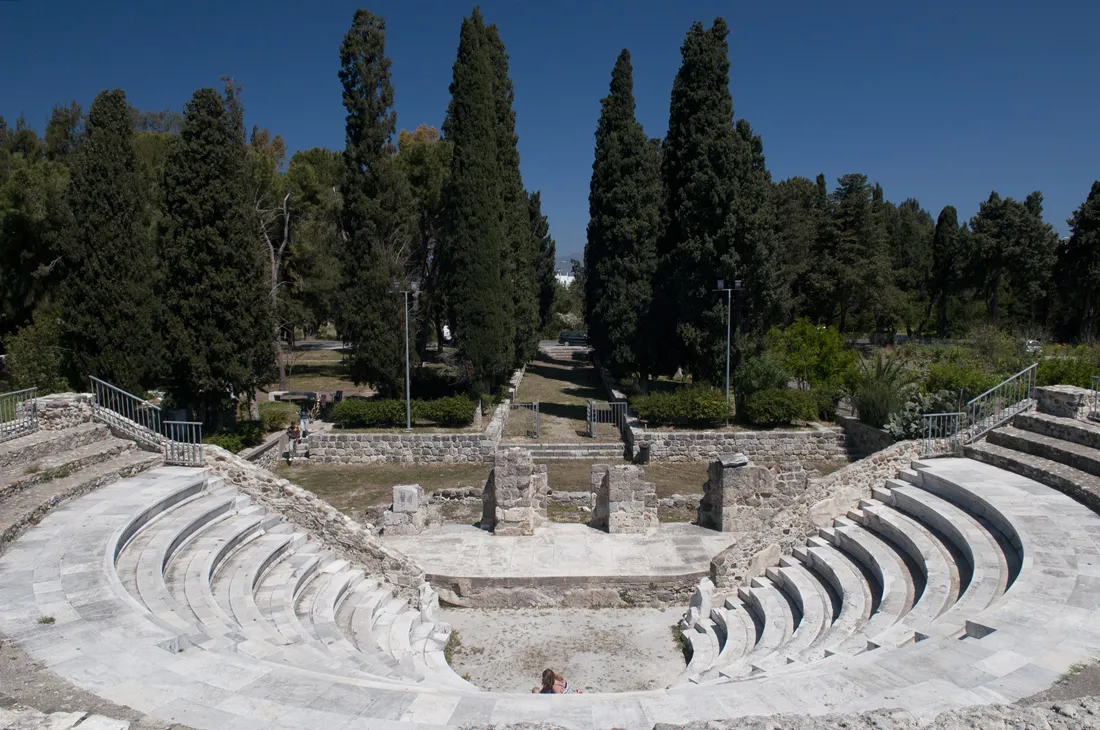
Kos is the birthplace of the father of medicine, Hippocrates, who was born on the island around 460 BC and founded the famous medical school of Kos. Thanks to Hippocrates, a reformer of the medical arts, the small island was very important for the development of Greek thought and civilisation and became famous in the ancient world. Because of Hippocrates and the related archaeological monuments (the Asklepieion), Kos is an important destination for hundreds of thousands of doctors from around the world, who want to walk where the great Hippocrates lived and taught medicine and to hear the Hippocratic Oath.
This is why there are several conference centres on Kos today. Kos is also known for its arts: painting, theatre, ceramics and brass musical instruments. Every year, especially in the summer season, much of the island’s cultural life is presented to residents and visitors in a large programme of events, the “Hippocratia” of the Municipality of Kos, giving visitors the chance to taste and feel how people lived in the past.
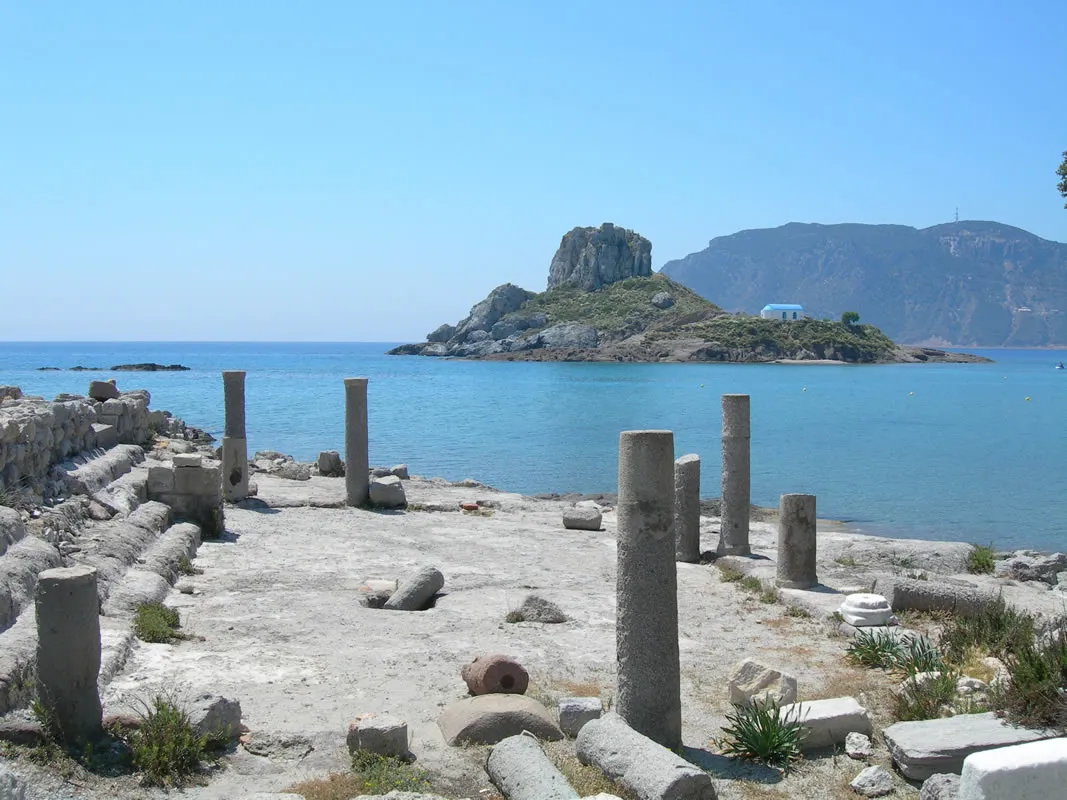
Kos has long coasts and beaches with fine white sand and green, turquoise water: cosmopolitan and organised with umbrellas and water sports, or quiet and secluded, with the sunset or the sunrise as a backdrop. Few islands offer such easy access to the sea: from anywhere on the island you can reach a beach in just a few minutes. The clean and well organised beaches are the first reason Kos welcomes more than a million visitors every year from across Europe and the rest of the world.